The Islanders Guide to Weathering Paradise
by Remar Sutton
Remar Sutton, a long time Little Apple Bay resident, muses on life in these islands 30 years ago.
I have moved south again, about 1,500 miles closer to the equator and 13 miles from bustling St. Thomas in the US Virgin Islands, to the mountainous, affable, lightly peopled world of the British Virgin Islands. Today there are about 40,000 residents spread over multiple islands, who make their lives here. But in 1995 there were far less.
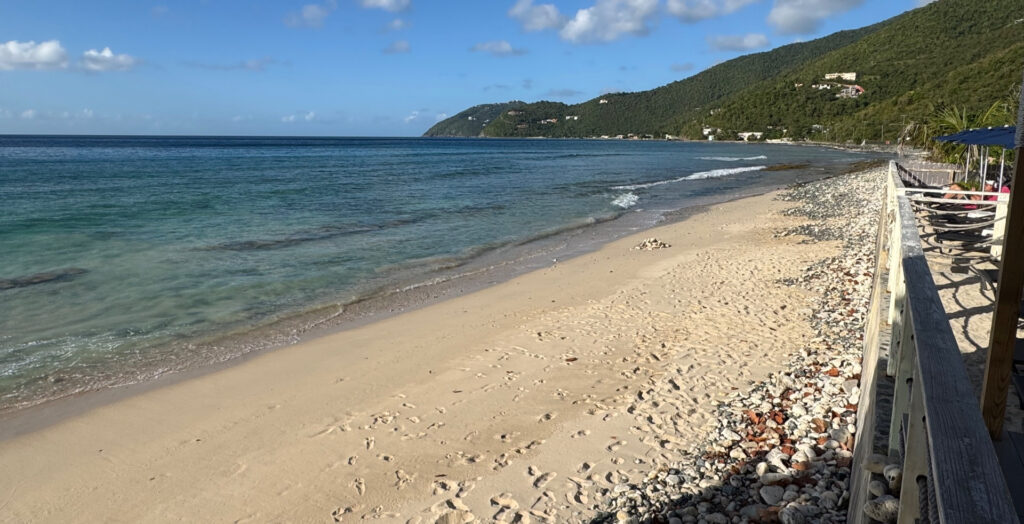
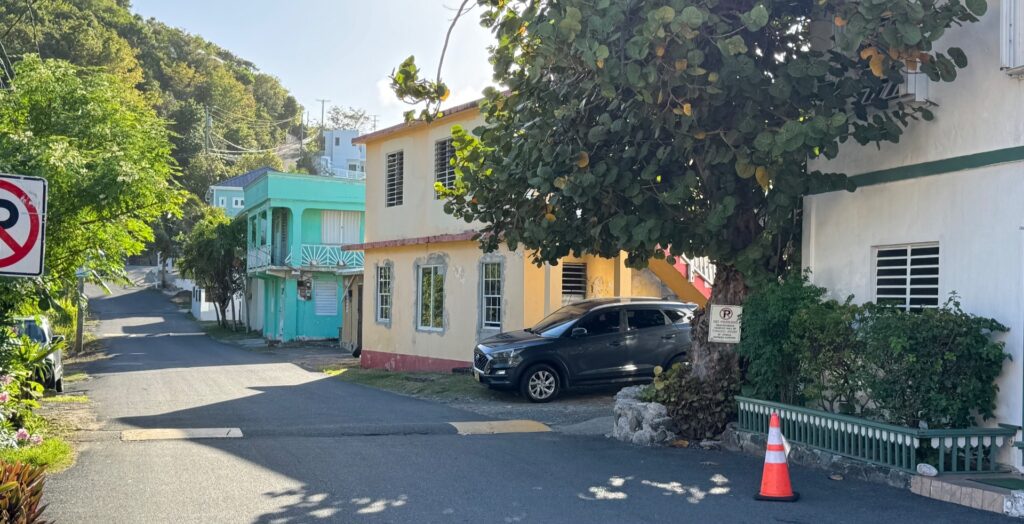
Perched on a rock outcropping 90 feet above the ocean, my house overlooks eight other islands, a lush mountain-rimmed coastline that curves like a cup handle for miles, and, most importantly the palm-fringed village of Little Apple Bay, population 125. Village life unfolds below my home with a regularity and gentility that is at times quite moving, at times a little unnerving, very often funny but always instructive.
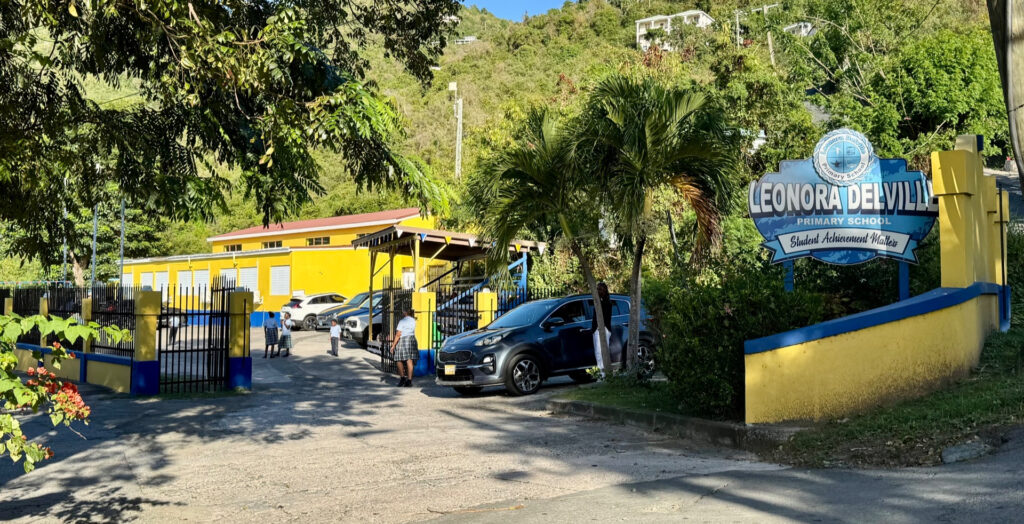
Right now, half a mile away at the edge of a grove of palm trees, a stooped old fisherman is standing before a new, cross-topped white mausoleum in our village cemetery. To get there, the old man hobbled a narrow path through the lively yard of the Lenora Delville Primary School, past the water plant, past the community vegetable garden and the charcoal pit where fine charcoal is made from hard kasha wood. A tough walk for rickety legs.
The fisherman came to pay respect to this territory’s first elected. Chief minister, H. Lavity Stoutt. These islands have dealt with visionaries (as the vast majority consider Mr. Stoutt) political fools, pirates, thieves and many men of honor for at least 450 years. In a tiny world residents feel the unbuffered impact of good and bad people very quickly in everyday life.
Over the centuries, the influences of multiple rulers, religious ideologies and tragedies have washed over these islands – indelible experiences that to this day seem to have given the survivors an inbred sense of practicality tolerance (if not acceptance) and stoicism.
In our little village, within walking distance of a small fancy hotel, one friend makes do on the sale of a few island limes and sweet potatoes each day. Close by, another sells homemade bread and the occasional adult men’s magazine. Next door an important church leader greets a passerby as he ax takes off the head of a goat – the beginning of a favorite soup and fine curried stew.
The people here also define ingenuity. It’s normal here to see old metal wheel rims used as a sturdy charcoal grill, a stray piece of chicken wire turned into a fish trap, old juice bottles filled with “atomic” pepper sauces and spices, small cottages built from scrap and lumber washed up on the beach, plastic milk cartons hoarded to store precious rainwater. On islands, necessity seems to be the mother of recycling.
This sense of using up everything efficiently applies to the roadside trimming crews, too, or rather to the lack of them. Drive along most any tortuously winding but beautiful road on this island and you may meet donkeys and goats and cows busily trimming up the roadside. At times they roam free. At times, a donkey is tied to a tree perhaps 20 feet farther along than the day before.
One howling rainy night I encountered a donkey fed up with it all, lumbering down the steep road dragging his palm tree behind him.
It is all a very handsome, sometimes oddball, history steeped and interesting world – aside from being a lot of fun. Life in these islands is a microcosm of life back therein the “real” world. There is some crime, though it sufficiently rare that a newspaper still considered the theft of two dozen diapers from Kelly’s Bar and Superette a feature item.
We’ve even had a traffic jam: A dozen cows ambling through downtown Road Town (the capital) in front of one fo the banks. One even settled down for a snooze with her back against the bank door, imprisoning all inside. The bank patrons took this in stride.
In the BVI there’s controversy about growth and too many off-islanders, and there’s fear that the village family structure may be suffering.
There’s great discussion too, on the quality of life in general here in midst of spectacular beauty, and in the midst of carefree vacationers who spend money with abandon, many islanders struggle with great dignity to make their lives work. Last week I picked up an 80-year-old elegantly dressed woman hitching to church. She has hitched “everywhere” her entire life.
The reality of island life for most people here is hard work at home and hard work for modest pay on the job. Improving individual livelihoods without harming a delicately balanced and fragile world will be Herculean chore, but they will find a way.
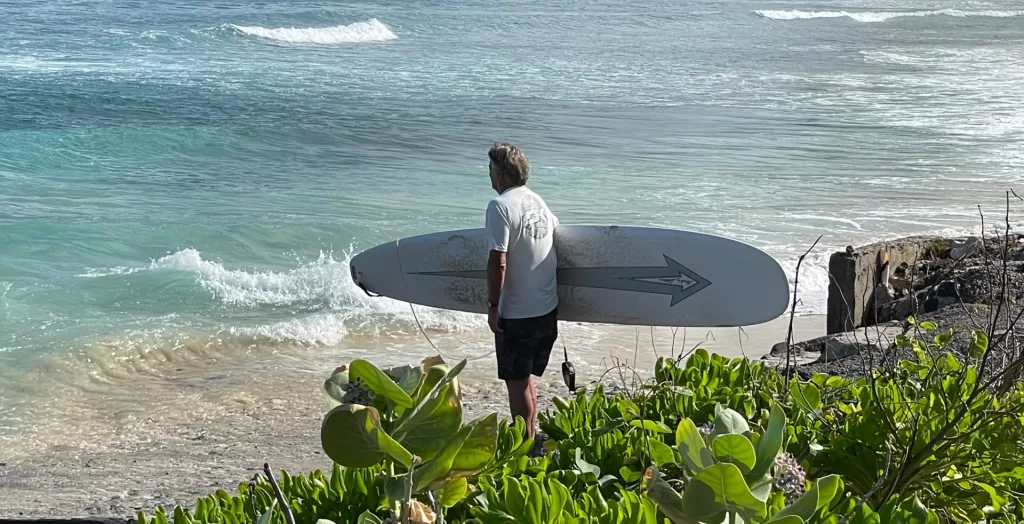
Their inventiveness and determination rubs off on everyone. Take the young surfer couple who spent the winter just down the hill from me in a perfect little ocean=front cottage. Trouble was, their bedroom window was less than a foot away from three energetic roosters’ favorite perch – and around here, the incessant crowing starts at 3am.
But in small villages strangers don’t complain much, they, too, become inventive. the couple bought the roosters for a premium price ($5 each) and in the dead of night transplanted them to a neighboring village. In the yard of a competing surfer. Island ingenuity. No problem!
https://bvitourism.com
Remar Sutton is Chair of the Trustees of the BVI National Parks and am co-Founder with Walter Cronkite of the Cronkite Project.org Cronkite Committee – Who We Are – FoolProof Foundation