The UK’s Kew Gardens and the BVI National Parks Trust
by Claudia Colli
Kew Gardens in London is one of the foremost botanical gardens in the world and a leader in international conservation efforts. The organization has had a longstanding relationship with the VI National Parks Trust through important biodiversity initiatives like the Darwin Project. One of Kew’s latest initiatives is the “Darwin Plus People and Skills” project.
The National Parks Trust of the Virgin Islands was successful in securing grant funding from the UK Darwin Plus People and Skills fund in 2025 for a project entitled “Strategic Capacity Building for Environmental Management.” The goal of the project is to build staff capacity and NPTVI will be training staff members at the Royal Botanic Gardens Kew. The training opportunities include hands-on job training for three months at Kew for two staff, a two week Tropical Plant ID course, a two week seed conservation techniques course and a one week technical attachment at the Millenium Seed Bank.
BVI, National Parks Trust Terrestrial Wardens, Creightanya Brewley and Dequan Leonard are participating in this intensive training program. Both team members, based at the J.R. O’Neal Botanic Gardens and Tortola Parks, are working alongside Kew staff while gaining hands-on experience in horticulture, nursery management, conservation, and botanical collections care. This training also connects to wider conservation partnerships between NPTVI and Kew through Darwin Plus projects focused on biodiversity research, invasive species monitoring, and the ongoing work to help create the BVI “Tree of Life.”
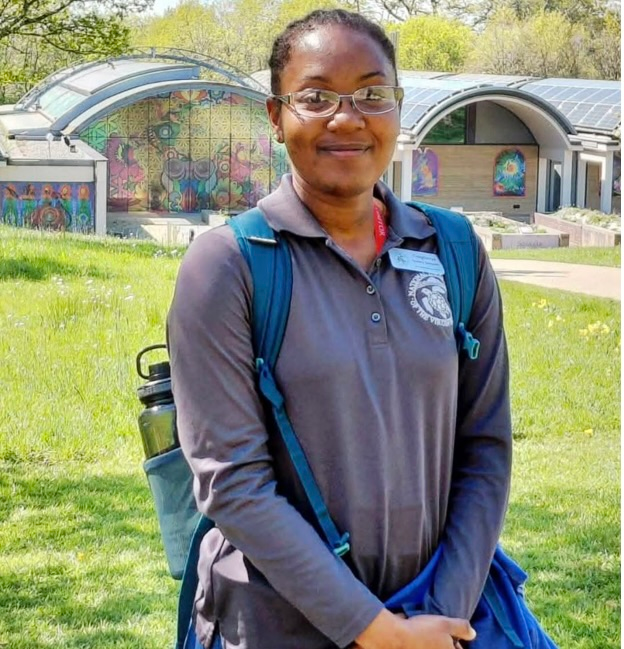
Creightanya is currently training in the Tropical Nursery and visited the Millennium Seed Bank, where BVI seeds have been safely stored for nearly 30 years as part of long-term plant conservation efforts.Dequan is based in the Princess of Wales Conservatory, where he is learning how to maintain plant displays and collections, including the rare Titan arum, or “Corpse Flower,” which blooms only once every 7–10 years.
I have been to Kew Gardens in London several times and admired its vast gardens showcasing plant-life from throughout the world. But what intrigues me the most is its relationship with the BVI through such shared programs like the one that has sent Creightanya and Dequan to the UK for training.
A few years ago I had the opportunity to search for rare and endangered plants with staff from the BVI National Parks Trust and botanists from Kew Gardens, the world famous botanical gardens located in London. Through the Millennium Seed Bank Project, Kew botanists and staff from the National Parks Trust collect seeds from the Virgin Islands’ endangered native plants. A portion of the seeds are dried and sent to Kew Gardens’ special seed bank facility in England, where they are stored for the proverbial “rainy day”. A vast collection of seeds from around the world are also stored at the facility, an important insurance policy against a species’ extinction through disease and habitat loss.
It was interesting to tag along with a group of people who can spot a rare plant amongst rocks and scrub while a layman like me would waltz right past it – and in a worst case scenario, crush it underfoot. The botanists not only collected samples but using a handheld computer recorded its exact position, which will be fed into the National Geographic Information System (GIS) and can later be used by the Planning Department when considering development applications.
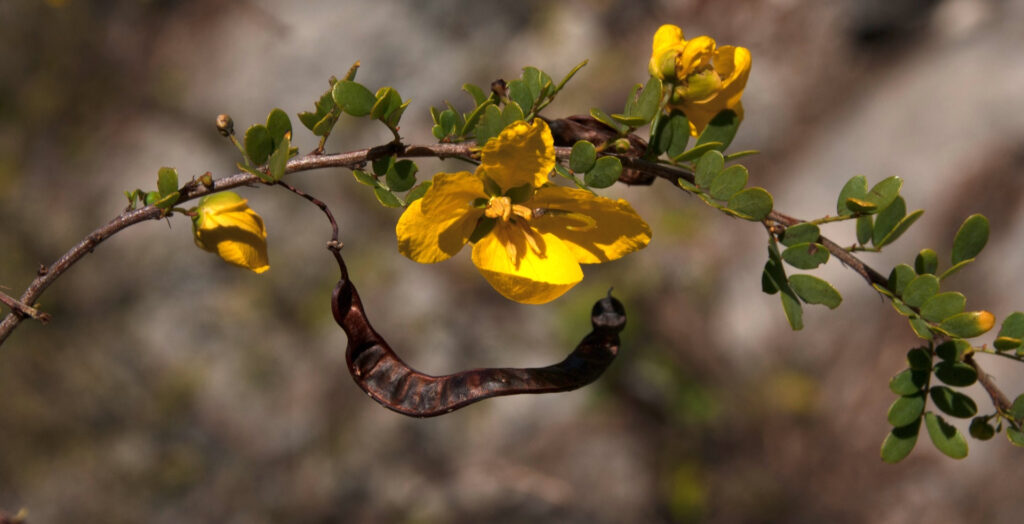
Among the rare specimens that the National Parks Trust and Kew teams have found are new stands of the rare endemic plant known as Senna pollyphylla var neglecta on Anegada. With this new find, the researchers believe this delicate plant with the big name has a much greater chance for survival. This is a team effort, and even when the Kew researchers are not on island, sharp-eyed staff members from the National Parks Trust continue to traverse the islands looking for that special find.
Many of these rare species are also propagated at the nursery at the J. R. O’Neal Botanic Gardens to ensure that the species will carry on, even if it is lost in the wild. The J. R. O’Neal Botanic Gardens’ “Conservation Garden” showcases rare endemic and endangered plants. Here the Senna pollyphylla is growing along with several other native plants including the lignum vitae, known for its extremely hard wood, the Acacia anegadensis, locally called the “Poke Me Boy” because of its thorns, and the aptly named Mad Dog (Malpighia woodburyana), whose leaves irritate the skin when touched.
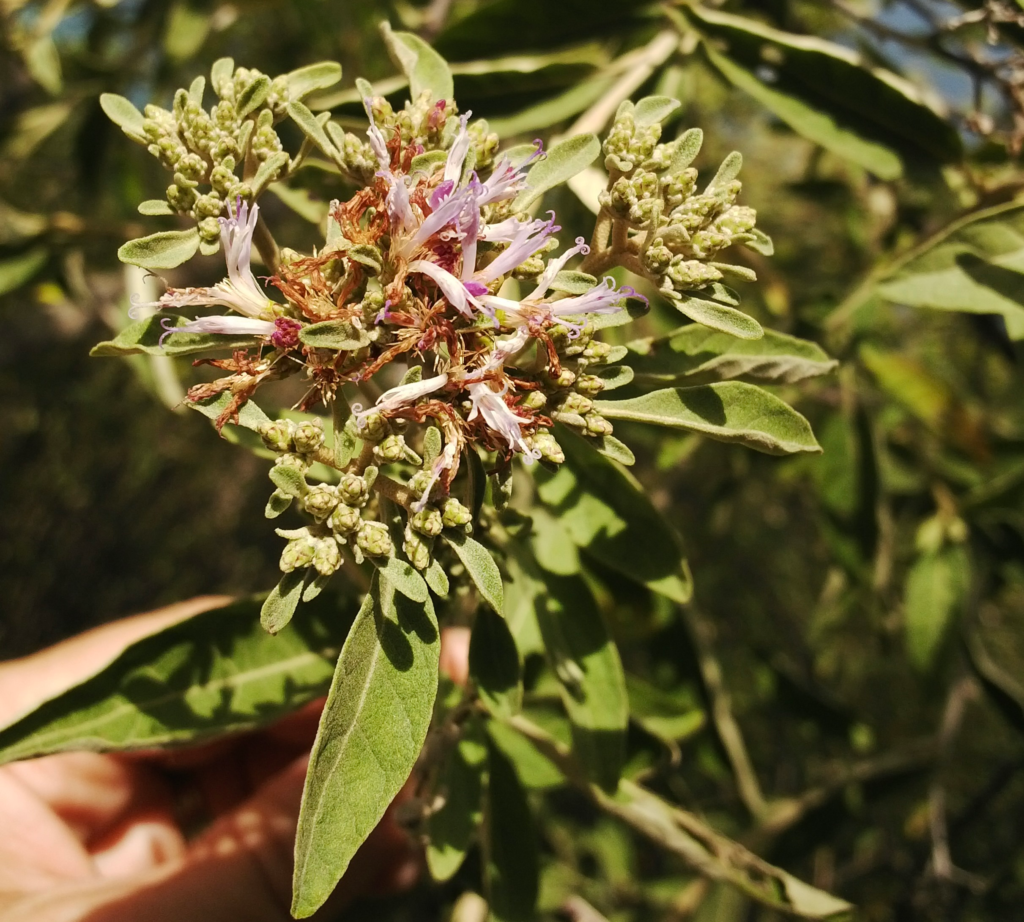
Eventually the National Parks Trust hopes to feature native species throughout the garden. They also are encouraging home gardeners to plant the natives as an alternative to imported exotics which can carry pests and diseases that endanger the endemics and their habitats. Many of the rare endemics that are propagated at the Botanic Gardens are offered for sale to the general public.
I’m not the gardener in my family, but I do enjoy our garden as a peaceful oasis in a hectic world. I also appreciate how important preserving the earth’s rare and endangered plant life is and the efforts towards this end that are being made by the National Parks Trust and their partners at Kew Gardens.
The J.R. O’Neal Botanic Gardens in Road Town is a great place to discover the BVI’s native species, as well as enjoy the many exotic plants and trees found not only here in the Botanic Gardens but in home gardens throughout the Virgin Islands.
For more information on the J. R. O’Neal Botanic Gardens and the BVI National Parks Trust go to
To learn more about Kew Gardens and its work to save endangered species worldwide go to
https://www.instagram.com/p/DYDHDOgkQ2d