Our Garden: Pigeon Peas, An Essential BVI Veg
By Claudia Colli
Self-sufficiency in this time of rising food prices is an enviable goal. My husband Alan, an architect by trade, is a farmer at heart and he gets endless joy from planting vegetables in our small kitchen garden at the back of the house. He has raised bok choy, collard greens, spinach and arugula. Tall runner beans are especially prolific, climbing up long bamboo poles, a bit like a West Indian version of Jack in the Beanstalk! We have a rosemary plant that impressively is still going after ten years.
For the most part the plants are grown in large plastic pots raised on blocks, making tending them less hard on the back and easier to water. They are also easier to harvest. I may not be the farmer, but I love going out back and picking vegetables and herbs for the night’s dinner.
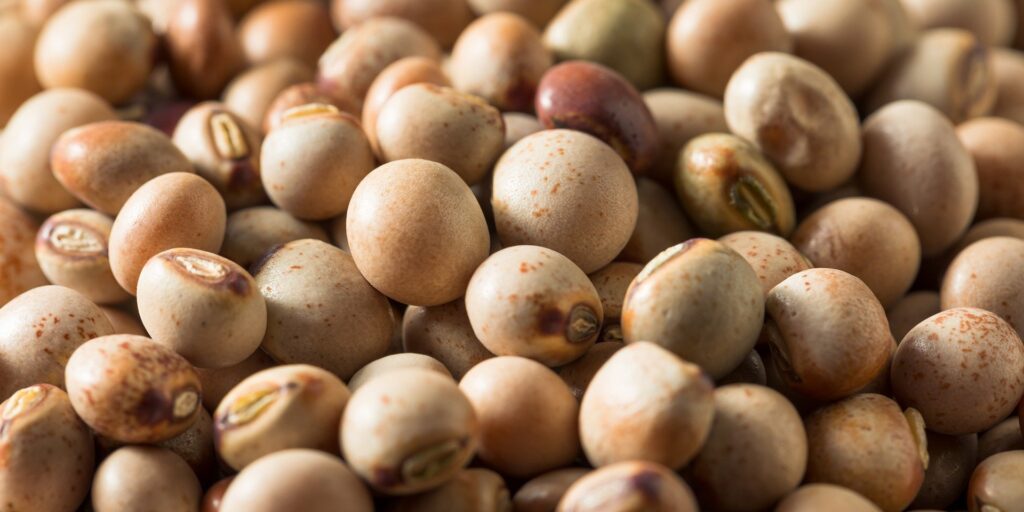
Of all the plants in our garden, the most quintessentially West Indian is the pigeon pea, a legume that can be served as a side dish, made into a stew or utilized in the ubiquitous Caribbean dish: rice and peas.
Delicious and nutritious pigeon peas are packed with fiber, minerals and vitamins, including vitamin B-6, thiamin and niacin. A great source of protein, especially when compared to other legumes, they are an invaluable addition to a balanced diet for vegetarians and non-vegetarians alike.
The rangy plant can grow to heights of five meters and has flowers that are usually yellow but can be streaked with purple or red. The peas are a dusty gray/green in color and come in bright green pods with around half a dozen peas per pod. Although they are laborious to shuck the hard work is worth it.
It’s nice to know that the veg that I am eating tonight is as fresh as it gets – no lengthy trips from farm to table. This is especially relevant here in the BVI. If you are lucky you may find them at a farmers market, but are most likely to find them in the supermarket dried or canned.
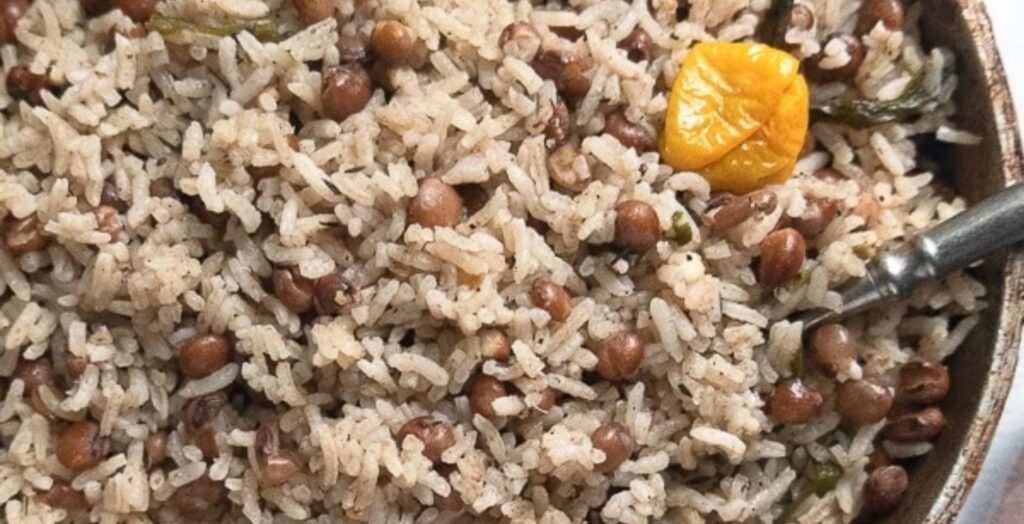
The pigeon pea (Cajanus cajan) is among the oldest known food plants in the world. It probably evolved in South Asia and appeared in West Africa about 2000 BC. It has long been appreciated as a food source and has been cultivated in India for at least 3,500 years. The plant made its way to North and South America and the West Indies from Africa, brought here by European slave traders during the 17th century.
Today, pigeon peas are widely cultivated in all tropical and semi tropical regions and are used for both human consumption and animal fodder. Virtually drought resistant, they can be grown in less than 650mm of annual rainfall. They are tolerant of higher temperatures than most other crops and yields are greater in dry conditions than wet. Go figure!
For those who are not fortunate enough to be able to pick their pigeon peas straight from the garden, they are also available dried and canned. However you eat them they are easy to prepare, and delicious too, the perfect food for the BVI – or anywhere else for that matter.
Pigeon Pea Stew with Ham
2 – 14 oz frozen packages of pigeon peas thawed, or 2 – 14 oz cans
1 lb smoked ham
3 cups water
14 oz chicken broth
½ red bell pepper finely chopped
1 medium green pepper, finely chopped
1 large fresh jalapeño pepper, finely chopped
5 garlic cloves, minced
2 tbsp olive oil
½ cup finely chopped cilantro
1 small tomato seeded and chopped
½ tsp oregano or thyme
¾ cup calabaza or butternut squash cut into 1/4 inch pieces
Simmer peas, ham, water and broth in a 4-quart pot, uncovered for 30 mins.
In a separate skillet sauté jalapeño, onions, garlic and peppers in olive oil over medium heat until softened. Add cilantro, tomato and thyme and cook stirring occasionally until thickened about 4 minutes. Add to peas mixture and stir in squash and cook until squash is tender and liquid is reduced by half, about 30 minutes.
For more about the BVI’s fruits and vegetables read about the breadfruit: